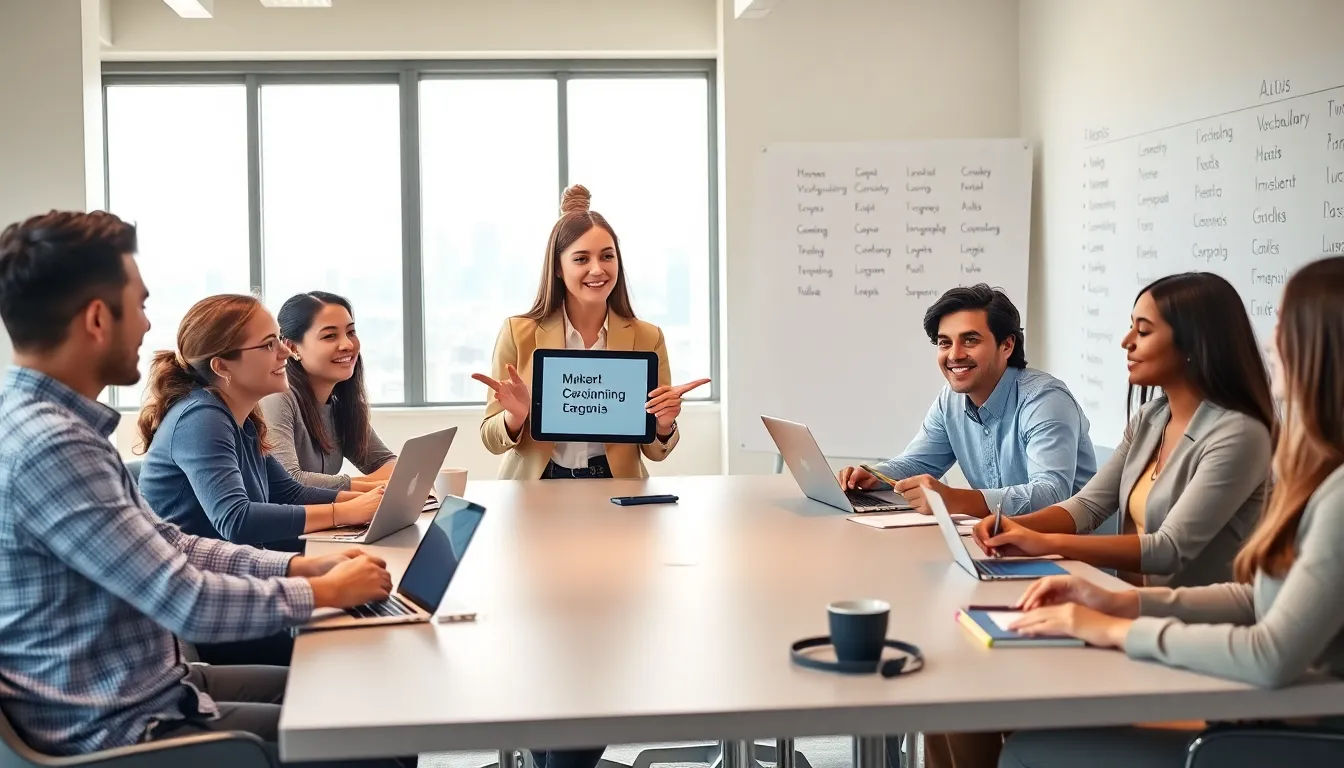

Language learning examples show what actually works when picking up a new language. Some people spend years studying grammar rules without speaking a single sentence. Others binge-watch foreign TV shows and develop near-native accents in months. The difference? Practical methods that fit real life.
This guide breaks down proven language learning examples across four key approaches. Each method offers distinct advantages depending on goals, schedule, and learning style. Whether someone wants to order coffee in Paris or negotiate business deals in Tokyo, these techniques deliver results.
Table of Contents
ToggleKey Takeaways
- Language learning examples prove that practical, real-life methods like media immersion and conversation practice outperform passive grammar study.
- Watching movies, listening to podcasts, and following social media in your target language builds listening skills while keeping you entertained.
- Speaking with native speakers through language exchange apps or online tutoring forces active recall and accelerates fluency faster than reading alone.
- Apps like Duolingo, Babbel, and Anki provide structured vocabulary and grammar foundations that support other learning methods.
- Real-world application techniques—such as changing device settings, journaling, and labeling household items—reinforce daily practice without extra study time.
- Choosing language learning examples that match your goals, schedule, and interests dramatically increases your chances of long-term success.
Immersive Learning Through Media Consumption
Media immersion stands out among language learning examples because it feels less like studying and more like entertainment. This approach works by surrounding learners with authentic content in their target language.
Movies and TV Shows
Watching films in a foreign language builds listening skills and cultural awareness simultaneously. Beginners can start with subtitles in their native language, then switch to target-language subtitles as comprehension improves. Netflix, HBO Max, and Disney+ offer extensive foreign content libraries.
Spanish learners might start with “Money Heist” (La Casa de Papel). Korean language students often credit “Squid Game” or K-dramas for their progress. The key is choosing content that genuinely interests the viewer, boredom kills motivation faster than difficult grammar.
Podcasts and Music
Audio content trains the ear to recognize natural speech patterns. Language learning examples in this category include:
- Podcasts: Shows like “Coffee Break Spanish” or “JapanesePod101” mix instruction with authentic conversation
- Music: Lyrics provide memorable vocabulary, and rhythm helps with pronunciation
- Audiobooks: Starting with children’s books builds confidence before tackling adult literature
Research from the University of Edinburgh found that musical training enhances language acquisition. Learners who regularly listened to songs in their target language showed improved pronunciation accuracy after just eight weeks.
News and Social Media
Following news outlets and influencers in the target language exposes learners to current vocabulary. Someone studying French might follow Le Monde on Twitter or watch France 24 broadcasts. This method keeps content fresh and relevant.
Conversation Practice With Native Speakers
Speaking practice represents one of the most effective language learning examples because it forces active recall. Reading and listening are passive. Talking requires the brain to retrieve vocabulary, apply grammar rules, and respond in real time.
Language Exchange Partners
Language exchange connects learners with native speakers who want to practice in return. Apps like Tandem and HelloTalk match users based on language goals and interests. The arrangement is simple: spend 30 minutes speaking Spanish, then 30 minutes helping a partner practice English.
These partnerships often become genuine friendships. They also provide cultural context that textbooks miss entirely.
Online Tutoring Platforms
iTalki, Preply, and Verbling connect students with professional teachers and community tutors worldwide. Rates vary widely, from $5 to $50+ per hour depending on the language and instructor credentials. Many learners schedule two or three sessions weekly to maintain momentum.
The structured feedback from tutors accelerates progress. They correct mistakes immediately rather than letting bad habits solidify.
Local Meetups and Clubs
Most major cities host language exchange meetups through platforms like Meetup.com. These gatherings attract native speakers, fellow learners, and language enthusiasts. The atmosphere tends toward casual, conversation flows over coffee or drinks.
For language learning examples that build real-world confidence, nothing beats these face-to-face interactions. The nervous energy of live conversation prepares learners for actual travel situations.
Structured Study With Apps and Courses
Apps and formal courses provide the grammatical foundation that other language learning examples build upon. Structure matters, especially in the early stages when learners need systematic vocabulary introduction.
Popular Language Apps
Duolingo gamifies learning with streaks, points, and competitive leaderboards. The app offers courses in over 40 languages and claims more than 500 million users globally. Critics argue it emphasizes translation over production, but the accessibility can’t be denied.
Babbel takes a more conversation-focused approach. Lessons emphasize practical phrases over abstract vocabulary. The app costs roughly $15 monthly, positioning it between free options and premium courses.
Anki uses spaced repetition flashcards to cement vocabulary. Users create custom decks or download pre-made sets. This method works particularly well for languages with different writing systems like Japanese, Mandarin, or Arabic.
Formal Courses and University Programs
Structured courses provide accountability that self-study lacks. Options include:
- Community college classes (often affordable, with in-person interaction)
- University extension programs
- Intensive language schools abroad
- Online certifications through Coursera or edX
These language learning examples suit people who thrive with deadlines, grades, and instructor feedback.
Textbooks and Workbooks
Old-fashioned study materials still work. The “Assimil” series, “Teach Yourself” books, and language-specific resources like “Genki” for Japanese provide comprehensive grammar explanations. They pair well with app-based practice.
Real-World Application Techniques
Application cements what study introduces. These language learning examples push skills beyond the classroom into daily life.
Travel and Immersion Programs
Nothing accelerates learning like necessity. Spending time in a country where the target language dominates forces practical usage. Even short trips create memorable experiences that anchor vocabulary.
Immersion programs combine language instruction with homestays. Organizations like EF Education First and Middlebury Language Schools offer intensive options ranging from two weeks to full academic years.
Changing Device Settings
Switching phone and computer language settings creates constant low-stakes practice. Every notification, menu, and button becomes a mini vocabulary lesson. This technique works especially well for languages using Latin scripts.
Journaling and Writing Practice
Daily writing in the target language reinforces grammar and spelling. Learners can start with simple sentences about their day, then progress to longer entries. Apps like Lang-8 connect writers with native speakers who correct entries for free.
Labeling Objects at Home
Physical labels on household items provide passive vocabulary reinforcement. Seeing “la nevera” on the refrigerator or “das Fenster” on the window creates automatic associations. It sounds silly, but many successful language learners swear by this method.
Thinking in the Target Language
Advanced learners practice internal monologue in their new language. Instead of translating thoughts from English, they generate ideas directly. This shift marks a significant milestone in fluency development.